Online banking, instant-payment apps, real-time text alerts, and generative AI tools have made managing personal finances faster and more convenient than ever. Unfortunately, these exact same technologies have handed cybercriminals unprecedented capabilities to impersonate financial institutions, bypass traditional security friction, steal credentials, and manipulate honest consumers into willingly transferring their hard-earned money.
The Cardinal Rule of Modern Banking
The Cardinal Truth
A bank, credit union, government agency, peer-to-peer payment app, or reputable business will NEVER contact you unexpectedly and demand that you move money to a “safe account” to protect it.
Criminals today do not look or sound like amateur con artists. They weaponize spoofed caller IDs displaying your bank's actual fraud department number, cite real branch employee names from LinkedIn, reference recent real transactions obtained from data leaks, and even deploy AI-cloned voices that convincingly mimic your children or grandchildren. Their sole objective is universal: force you to react before you can independently verify.
This guide deconstructs the most dangerous banking scams operating across the United States in 2026, provides the psychological indicators to look out for, outlines bulletproof verification habits, and details the exact immediate triage steps to take if you have already transmitted funds or sensitive data.
The Modern Scam Formula: Urgency, Fear, and Verification Failure
While scam narratives evolve constantly, virtually every modern financial fraud relies on an identical three-part psychological manipulation playbook:
Manufactured Urgency
“Act within 15 minutes or your funds will be permanently forfeited.” Time pressure shuts down analytical reasoning.
Fear & Isolation
“Do not hang up or tell the branch teller, they might be involved in the internal breach.” Isolation prevents second opinions.
Verification Hijack
“Read back the 6-digit one-time code sent to your phone to reverse the transaction.” Steals your 2FA token in real time.
A scammer may barrage you with variations of familiar pretexts:
- “Suspicious activity detected on your checking account.”
- “Your account will be frozen immediately unless you verify your identity.”
- “Your Social Security number has been linked to criminal proceedings.”
- “Your grandchild was involved in a serious accident and needs bail immediately.”
- “We accidentally overpaid you via Zelle or Venmo—refund the difference right now.”
- “Deposit your cash into a Bitcoin ATM or transfer via wire to our Federal Reserve holding account.”
A legitimate fraud prevention alert from your financial institution may request that you confirm whether an item is valid (typically by replying simple YES/NO or reviewing within the official app). However, no legitimate bank representative will ever ask you for your online password, request your multi-factor authentication passcode, demand remote access to your smartphone/PC, or order you to transfer money to another account.
The Golden Rule: Stop, Verify, Then Act
Whenever a communication introduces panic, secrecy, or demands for immediate money movement, neutralize the threat by adhering strictly to the three-step defense protocol:
STOP
Sever the connection immediately. Do not click incoming links, do not download attachments or screen-sharing tools (such as AnyDesk or TeamViewer), do not divulge codes, and do not call the telephone number provided in the message.
VERIFY INDEPENDENTLY
Locate your physical debit or credit card and dial the official customer service number embossed on the back. Alternatively, open your bookmarked banking portal or pre-installed mobile app. Never use contact details provided within the suspicious alert.
ACT ONLY AFTER INDEPENDENT CONFIRMATION
If there is indeed a security matter on your account, manage it strictly through the validated representative reached via your independent call—never through the inbound caller.
The Federal Trade Commission (FTC) emphasizes that unsolicited digital alerts frequently lead to fake spoofed call centers designed solely to route consumers back into the scammer's net. Independent outreach remains the single most reliable safeguard in financial cybersecurity.
Zelle Scams: Why Instant Payments Mean Instant Risk
Zelle is deeply integrated into thousands of U.S. banks and credit unions. It functions as digital cash: transactions settle between depository institutions within seconds. While ideal for splitting dinner with close friends or sending money to family, this irreversible speed makes Zelle the premier playground for financial predators.
Understanding your legal rights hinges on a critical legal and regulatory distinction established under Regulation E (Electronic Fund Transfer Act):
| Transaction Classification | How It Happens | Bank Reimbursement Outlook |
|---|---|---|
| Unauthorized Transaction | A hacker breaches your account, steals credentials, or clones your SIM card and executes a transfer without your knowledge. | Strictly protected under Reg E. If reported promptly (within 60 days of statement), the bank is generally legally obligated to reimburse you. |
| Authorized-but-Deceptive Fraud | A scammer convinces you to log in, key in their recipient identifier, and tap “Send” voluntarily under false pretenses. | Traditionally classified as an authorized transfer with zero protection. Under intensified CFPB scrutiny, some participating banks provide discretionary relief, but recovery is difficult. |
The 4 Prevalent Zelle Scam Vectors
- The “Pay Yourself” Bank Impersonation: Scammers send a fake fraud text alert, then call you spoofing your bank's caller ID. They claim your account is compromised and instruct you to connect your mobile number to Zelle and “transfer money back to yourself” to reset your account. In reality, they have linked your number to their own holding account, routing the funds directly to them.
- The Accidental Overpayment Ruse: You receive an unexpected notification of a payment, followed by an urgent plea stating someone mistakenly sent you $500 and needs it refunded. The original incoming payment was funded with a stolen credit card or hacked account. Once the rightful owner reports the theft, that incoming transaction will be reversed—leaving you out whatever cash you sent as a “refund.”
- The Online Marketplace / “Business Upgrade” Trap: When selling goods on platforms like Facebook Marketplace or Craigslist, a buyer offers to pay via Zelle and sends a forged confirmation email claiming: “Payment pending: recipient must pay a $300 commercial upgrade fee to unlock high-volume transfers.” Zelle has no such upgrade tier.
- Fake Rental Deposit or Vehicle Reservation: Fraudsters scrape legitimate real estate listings, pose as landlords or property managers, and require a 1st-month deposit via Zelle before granting an in-person walkthrough. The property is not theirs, and the cash is irrecoverable.
Venmo Scams and Peer-to-Peer Payment Traps
Similar to Zelle, Venmo, Cash App, and PayPal Peer-to-Peer payments are designed for rapid transactions between trusted associates. Scammers actively exploit slight nuances in usernames, spoofed notifications, and emotional appeals.
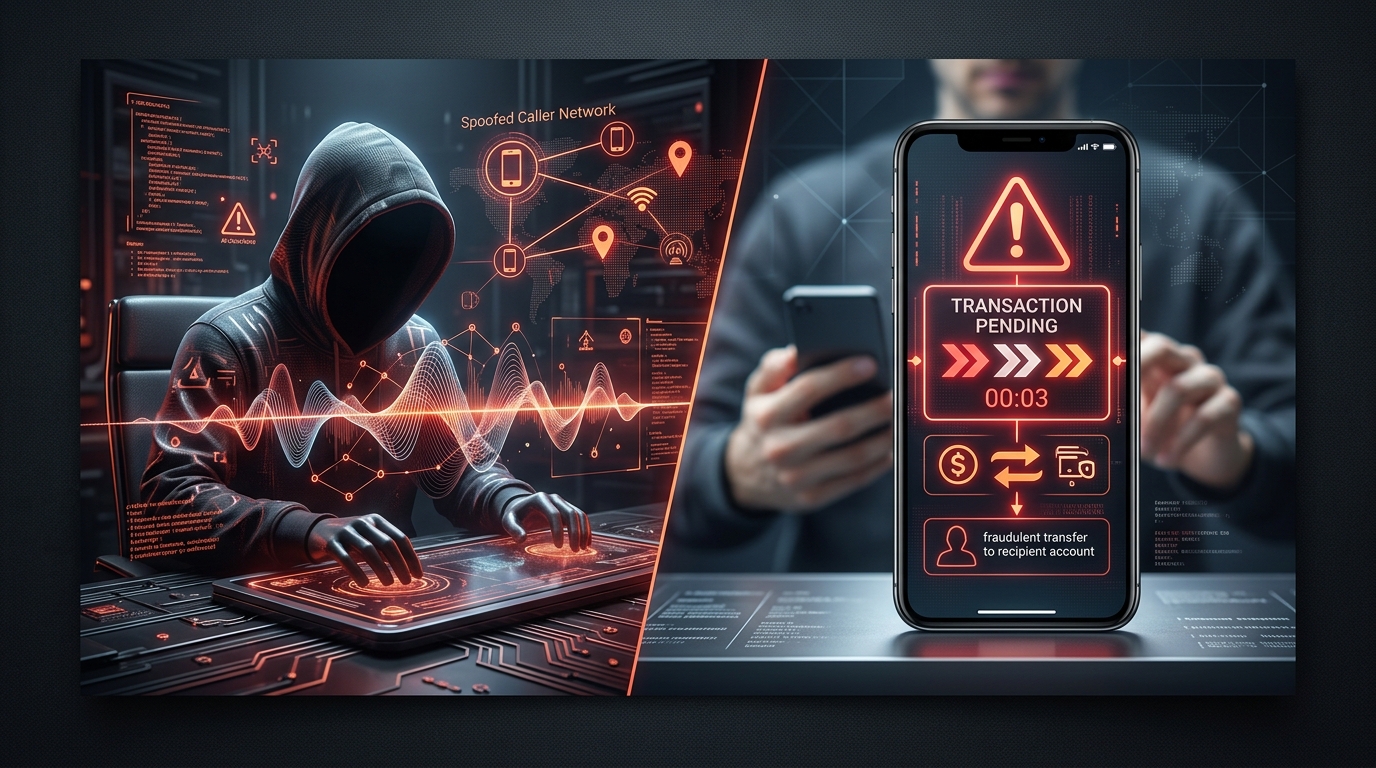
Modern cybercriminals combine spoofed telecom networks, automated phishing bots, and generative audio cloning to engineer intense psychological urgency.
Key Venmo fraud schemes to monitor:
- Phony Customer Support Phishing: Fraudulent SMS alerts or direct messages claim your Venmo account has been restricted due to suspicious activity. They direct you to a phishing domain designed to capture your login credentials, PIN, and two-factor SMS codes.
- Phantom Payment Confirmations: Sellers ship high-value items after receiving a fabricated “Venmo Payment Received” email. Always check your actual Venmo app balance before parting with physical goods.
- “Friends and Family” Purchase Misuse: A seller insists that you mark your payment under “Friends and Family” or personal transfer to avoid commercial transaction fees. Doing so strips away buyer protection policies entirely, leaving you with zero recourse when items never arrive.
- Prize & Giveaway Processing Fees: Unsolicited messages announcing you won a sweepstakes, brand giveaway, or crypto raffle contingent on paying a minor “processing fee” upfront.
Deepfake Audio and AI Voice-Cloning Scams
Artificial intelligence has eliminated the traditional telltale signs of phone fraud. With as little as 3 seconds of raw audio extracted from a public TikTok video, Instagram reel, YouTube clip, or voicemail greeting, generative voice engines can clone an individual's vocal timbre, cadence, and inflection with astonishing fidelity.
The Anatomy of an AI Family Emergency Scam
You receive an emergency call from a strange number. When you answer, you hear what sounds undeniably like your son or daughter weeping: “Mom, I made a terrible mistake. I was in a car crash, they arrested me, and my phone broke. Talk to this officer.”
A secondary con artist takes the phone posing as a defense attorney or police lieutenant, demanding thousands of dollars wired immediately or paid via courier/cryptocurrency to secure bail before nightfall.
How to Defeat AI Voice Cloning
- Establish a Family Duress Code: Agree on a private, secret word or phrase with your children, parents, and close family members in advance. If anyone calls claiming an emergency, request the duress word immediately.
- Ask an Un-Googleable Question: Ask a question that cannot be answered from public social media profiles: “What color was our first family dog's collar?” or “Where did we eat dinner two nights ago?”
- Hang Up and Call Directly: Sever the call immediately and dial the family member's known personal phone number. If they do not answer, call their spouse, roommate, or workplace.
- Never Trust Caller ID: VoIP technology allows scammers to display any name or number they choose on your incoming call display.
The FTC issued special guidance regarding generative voice cloning, advising consumers to remain skeptical of any emotionally charged call requiring urgent financial resolution.
Fake Bank Texts, Phishing, and Rogue Banking Apps
Phishing remains the foundational entry point for banking compromises. When delivered via SMS, it is known as Smishing; via phone call, Vishing.
⚠ Smishing Indicators
- Links using URL shorteners (bit.ly, tinyurl) or strange domain extensions (.xyz, .top, .live).
- Grammatical oddities, misplaced hyphens, or substituted numerals (e.g., “chase-security-verify.com”).
- Vague alerts claiming “Debit card locked: click here to restore access.”
📱 Rogue App Indicators
- Promoted through Google search ads or direct links rather than the official App Store / Play Store.
- Extremely low review counts, newly registered developer profiles, or generic descriptions.
- Demands excessive device permissions such as accessibility services, SMS intercept access, or screen recording.
Whenever you click a link in an unexpected text, you land on a spoofed portal designed to mirror your bank's exact aesthetic. The moment you input your username and password, the criminal uses an automated API to log into your legitimate account, triggering a real 2FA prompt to your phone. The fake page then asks for that code, harvesting it within seconds to complete the takeover.
Wire Fraud: The Catastrophic Real Estate & Corporate Threat
While peer-to-peer scams target hundreds or thousands of dollars, wire fraud commonly inflicts catastrophic, life-altering losses exceeding hundreds of thousands of dollars. Wire transfers are final: once cleared into the beneficiary institution, the receiving party can immediately disperse funds across offshore accounts or crypto exchanges, making legal recovery virtually impossible.
Real Estate Escrow Hijacking (Business Email Compromise)
The most devastating form occurs during real estate closings. Hackers monitor the unencrypted email communications of real estate agents, title companies, or settlement attorneys for weeks. Days before the closing date, the scammer intercepts the conversation using a lookalike domain (e.g., swapping “@titlecompany.com” for “@title-company.com”) and sends “Updated Wiring Instructions” citing a last-minute routing change.
🔒 Mandatory Pre-Wire Verbal Protocol
- Never trust wiring details sent via email: Even if the email thread looks authentic and includes prior messages.
- Execute a verbal callback: Call the title officer or attorney using a phone number obtained from your original signed contract or a business card delivered in person—NEVER the number printed on the wiring instruction sheet or email footer.
- Verify every single digit: Read the routing number, account number, and recipient beneficiary name aloud before instructing your bank to execute the wire.
The FBI's Internet Crime Complaint Center (IC3) maintains a specialized Recovery Asset Team (RAT) for business email compromise and wire fraud. Prompt reporting within 24 to 48 hours is critical to freezing funds before international dispersal.
Identity Theft and Account Takeover (ATO)
Account takeover occurs when an unauthorized actor gains administrative control over your financial ecosystem. Once inside, they alter email notifications, add external routing accounts, issue duplicate digital debit cards to digital wallets, and drain credit lines.
Signs You Are Under Active Account Takeover:
- Sudden Cellular Signal Loss (“SOS Only”): Indicates a potential SIM-swap attack, where the criminal convinced your telecom carrier to transfer your phone number to their physical device, allowing them to capture SMS 2FA codes.
- Unsolicited 2FA or Password Reset Codes: Ping notifications arriving without your instigation signal that someone is actively brute-forcing your login portal.
- Unfamiliar Device Logins: Security alerts announcing logins from foreign IP addresses, unrecognized browsers, or new operating systems.
- Mysterious $0 or $1 Micro-Deposits: Often indicates a fraudster is attempting to link your checking account to an external brokerage or fintech app for subsequent automated clearing house (ACH) transfers.
Fortifying Your Defensive Perimeter
1. Ditch SMS for App-Based 2FA: Transition authentication from SMS text messages to hardware passkeys (YubiKey) or time-based one-time password (TOTP) apps such as 1Password, Google Authenticator, or Bitwarden.
2. Implement a Carrier PIN: Contact your cellular provider (Verizon, AT&T, T-Mobile) and set up a port-out verification passphrase to prevent unauthorized SIM swaps.
3. Freeze Your Credit Reports: Place a mandatory credit freeze across all three major bureaus (Experian, Equifax, and TransUnion). Freezes prevent criminals from opening fraudulent loan accounts or credit cards in your name and cost zero dollars.
What To Do Immediately If You Sent Money or Shared Credentials
If you realize you have been deceived into sending funds or surrendering confidential credentials, do not let panic, shame, or embarrassment delay your reaction. Criminals count on consumer paralysis. Speed is the single determining factor between total loss and potential recovery.
Call your bank's fraud hotline. Explicitly declare: “I am reporting an urgent, fraudulent transaction in progress. I request an immediate transaction recall, stop-payment, or fraud freeze on the destination account.” For wires, request an immediate SWIFT/Fedwire recall notice.
Prioritize securing your primary email address first, as access to your email allows scammers to bypass password resets across your other institutions. Force a global sign-out of all active sessions, update passwords using a unique 20+ character passphrase, and revoke any newly authorized OAuth applications.
File an official incident report with the Federal Trade Commission at ReportFraud.ftc.gov. For wire fraud, internet compromises, or losses exceeding $1,000, file an immediate complaint with the FBI at IC3.gov. Download and print the confirmation numbers; your bank's fraud investigator will require these official case IDs.
If your Social Security number, driver's license, or birth date were exposed, visit IdentityTheft.gov to obtain an official recovery plan, notify credit bureaus, and place an extended 7-year fraud alert on your file.
⚠ Beware the Second Wave: “Recovery Scams”
Within days of being scammed, you may be contacted on Telegram, WhatsApp, email, or social media by self-proclaimed “ethical hackers,” “forensic asset investigators,” or fake law enforcement claiming they can track down and recover your stolen funds for an upfront retainer. This is a secondary con. Nobody can hack back your funds, and legitimate government agencies never charge fees to investigate financial crimes.
The 9-Point Anti-Scam Verification Checklist
Print or save this verification checklist. Run through it whenever any unexpected financial request reaches your phone or screen:
- ✓I did NOT click on a link, scan a QR code, or download an attachment from an unsolicited message.
- ✓I contacted my financial institution independently using the customer service number embossed on my card or trusted app.
- ✓I did NOT share my online banking password, PIN, or one-time verification passcode with any caller.
- ✓I did NOT transfer funds to a “safe account,” “federal holding account,” or “protect my money” account.
- ✓I confirmed the exact recipient identifier (spelling, phone, email) before executing any peer-to-peer payment.
- ✓I verbally confirmed wire instructions via a known, pre-established phone number before issuing transfer orders.
- ✓I verified account transactions directly inside my banking app rather than relying on incoming SMS text previews.
- ✓I paused when someone attempted to induce urgency, panic, secrecy, or fear.
- ✓I saved forensic evidence (screenshots, phone logs, transaction IDs) and reported the fraud attempt.
Bottom Line
The best financial defense is building one unshakeable institutional habit: never move money or yield credentials without independent verification.
Modern banking scams succeed not because consumers are unintelligent or careless, but because cybercrime enterprises systematically engineer situations that exploit primal human instincts: our desire to protect our life savings, our trust in established institutions, and our urgency when told a loved one is in jeopardy.
You do not need to memorize every single permutation of fraud that emerges in the dark web economy. You only need to adopt one single, non-negotiable habit:
Never send money, share a verification code, or yield account access in response to an unexpected alert without independently verifying the source through known, trusted channels.
If a call feels rushed, slow down. If someone insists that moving money is the only way to save it, stop. And if you have already acted, notify your institution within minutes—every second counts.
Disclaimer: This guide is prepared strictly for general educational purposes and does not constitute formal legal, financial, or cybersecurity advice. Individual banking institutions, state banking commissions, payment processors, and federal regulatory bodies enforce varying claim submission timelines, dispute resolutions, and liability frameworks.